
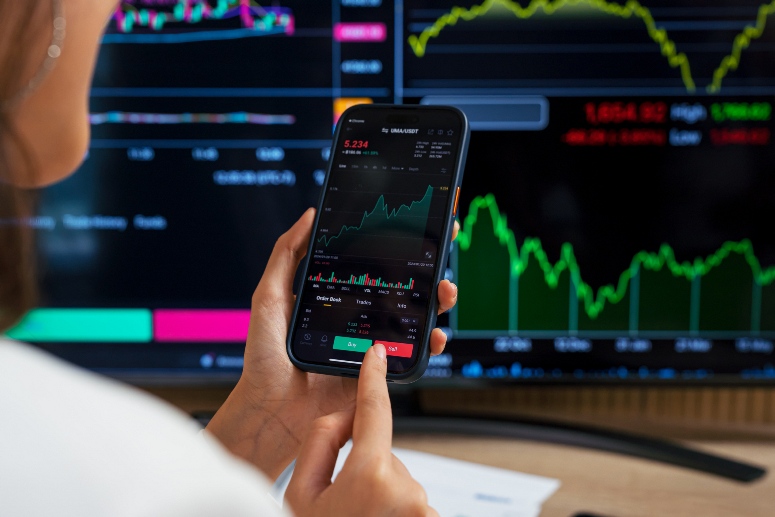
Mobile-first investing has changed the shape of retail participation in financial markets. A decade ago, opening a brokerage account required paperwork, in-person visits, and often minimum balances that excluded casual users. Today, an account can be opened on a phone during a lunch break, funded through instant bank transfers, and monitored anywhere with a signal. This convenience is genuine, and it has widened access in a meaningful way. It has also raised the average speed at which retail decisions are made, which is not always a good thing.
At the same time, the mobile-first pattern comes with caveats that are worth naming. Small screens compress information, and the design decisions of an app determine which numbers users see first. A well-designed dashboard emphasizes clarity and risk context; a poorly designed one can make speculative activity feel like a game. Users benefit from understanding that the interface is not neutral — it shapes attention and, over time, behavior. A gamified experience will nudge different decisions than a serious, information-dense one.
Platforms in the AI investment space, such as Corona Esp GPT, are typically designed to be mobile-friendly, letting users register, deposit, and monitor activity from a phone. According to the platform’s public materials, the workflow is that the AI handles analysis while the user manages funding and withdrawals through the app or web interface. That division of labor is convenient, but it also means the user’s main touchpoint with reality is the mobile screen, and whatever information the app highlights becomes disproportionately influential.
There are a few habits that make mobile-first investing safer. Turning off unnecessary notifications reduces the urge to react to every tick. Checking the account on a schedule rather than reflexively reduces emotional decision-making. Reading the full terms once, even on a small screen, is worth the discomfort. Keeping a small note somewhere with the user’s own stated goals and time horizon can act as an anchor when the interface is trying to pull attention in other directions. More context on any specific platform’s mobile workflow can be found on its own site, including at Corona Esp GPT.
It also helps to occasionally check the account from a computer rather than a phone. Larger screens surface more information at once, including risk-related disclosures and fee details that mobile layouts often compress. Users who rely exclusively on the mobile view can miss context that would change their decisions if they saw it in full. A weekly desktop review, even a short one, is a useful complement to daily mobile monitoring.
Investing always involves risk, and no mobile interface changes that. Marketing performance claims should be treated with caution, and readers should verify how withdrawals actually work, what fees apply, and what the platform does during volatile periods before committing meaningful funds. A calm, deliberate mobile habit tends to serve investors better than a fast, reactive one.